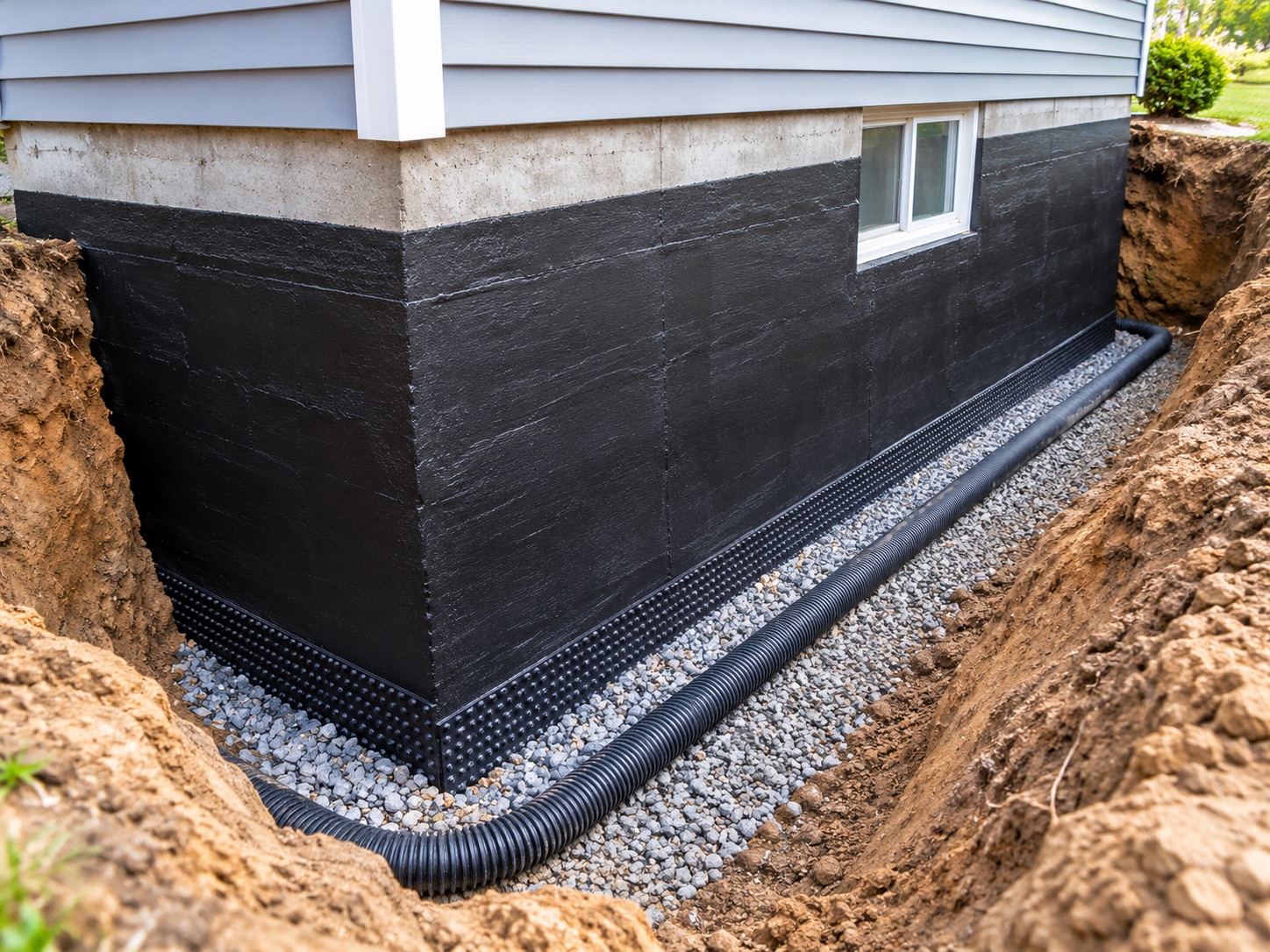
Akron Basement Water Solutions
Basement Waterproofing in Akron, OH
Tell us what is happening in your basement, and we will connect your request with an independent local contractor. Get a Free Estimate
A damp basement can turn a useful part of your home into a source of worry. Water may appear along the floor after heavy rain, a musty smell may linger even when the room looks dry, or a crack in the foundation may begin showing dark marks and moisture. Sometimes the first sign is a puddle near the stairs or water collecting around stored belongings. Whatever brings you here, understanding the problem is the first step toward finding an appropriate repair.
Basement Waterproofing Akron Ohio helps homeowners take that step. We collect information about your basement concerns and pass the request to an independent local contractor who can contact you, assess the situation, provide an estimate, and carry out agreed work. Our role is to make the initial connection, not to perform waterproofing or foundation repairs ourselves. We help you start a conversation with someone who can evaluate the conditions at your property and discuss possible solutions.
We focus on helping homeowners explain what they are experiencing and move toward a practical next step. Basement water is not always caused by one obvious defect. Rainwater may collect beside a foundation, gutters may discharge too close to the house, groundwater may press against basement walls, or a damaged sump pump may allow water to rise. The right response depends on the source, the construction of the home, and the conditions surrounding the foundation.
We do not perform the work ourselves. We take your request and pass it to an independent local contractor, who contacts you, evaluates the property, provides the estimate, and completes the work if you decide to proceed. This distinction matters because the contractor needs to make the technical assessment and explain the proposed work directly. Our purpose is to help initiate that conversation while keeping the process understandable for homeowners in Akron and surrounding communities.
More about us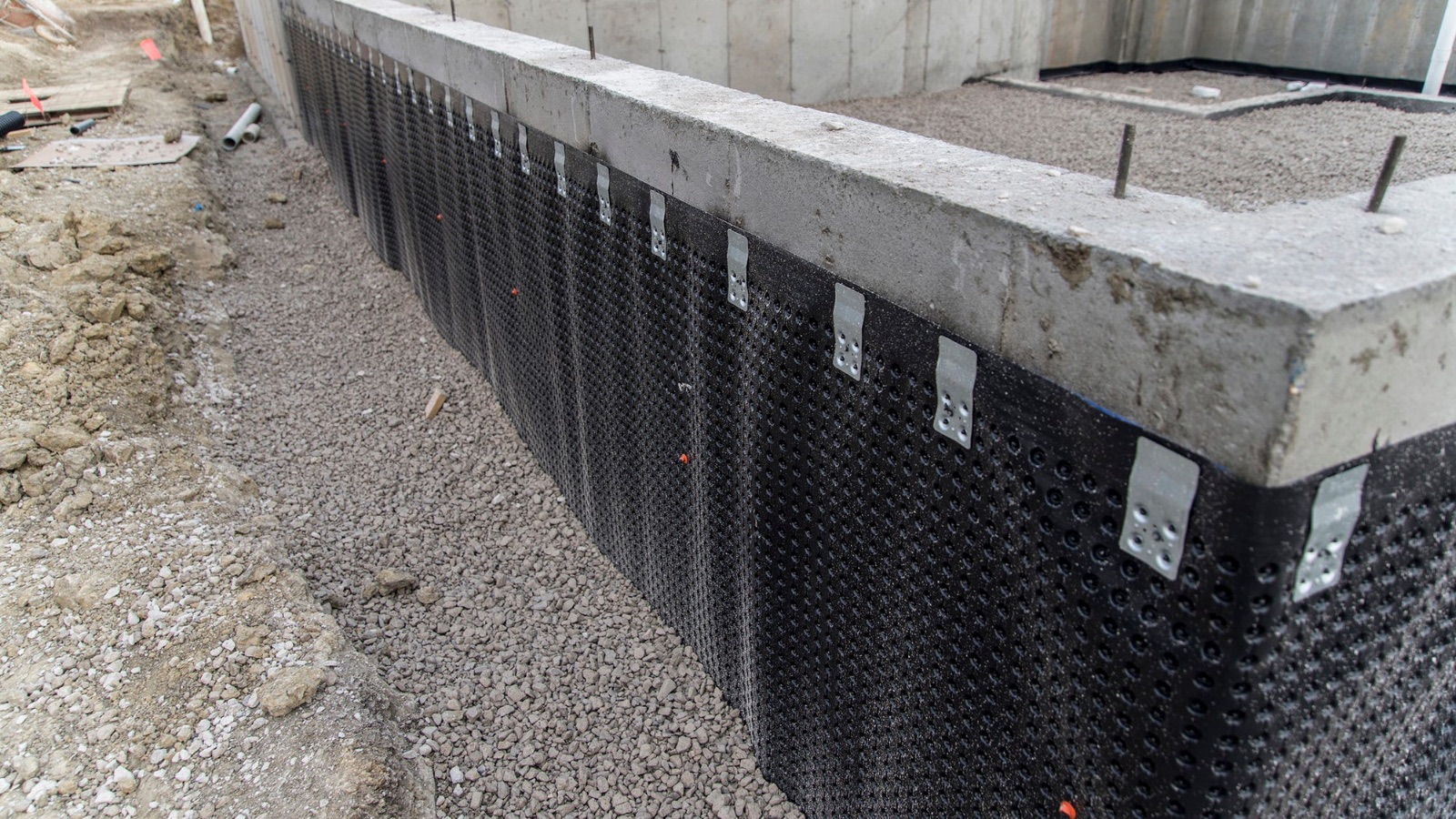
Explore basement waterproofing, foundation crack repair, water-damaged basement restoration, sump pump installation, foundation repair, and crawl space waterproofing. Each service addresses a different concern, and the appropriate solution depends on what the contractor finds during the property assessment.
Understand how basement waterproofing is assessed, which methods may help, and what affects the proposed scope of work.
Learn more →Find out how basement foundation cracks are assessed and when a repair may need a broader structural evaluation.
Learn more →Explore basement water damage assessment, affected materials, drying needs, and repairs after unwanted water enters.
Learn more →Learn how sump pump installation is evaluated, including basin placement, discharge routing, and backup considerations.
Learn more →Understand foundation movement, wall cracks, settlement symptoms, and the assessment needed before structural repairs.
Learn more →Explore crawl space moisture control, drainage, ground coverings, and the evaluation needed for persistent dampness.
Learn more →We accept service requests from homeowners across the Akron area, including Cuyahoga Falls, Stow, Kent, Green, and Barberton. These communities have different combinations of older homes, newer developments, sloping lots, established neighborhoods, and properties near streams or low-lying ground. Those differences can affect how water moves around a house and where moisture becomes visible.
If your property is in one of these communities, tell us where you are located and describe the symptoms you have noticed. We will pass your request to an independent local contractor for follow-up. The contractor can discuss the property's conditions, determine whether an inspection is appropriate, and explain the work that may be needed.
See all service areas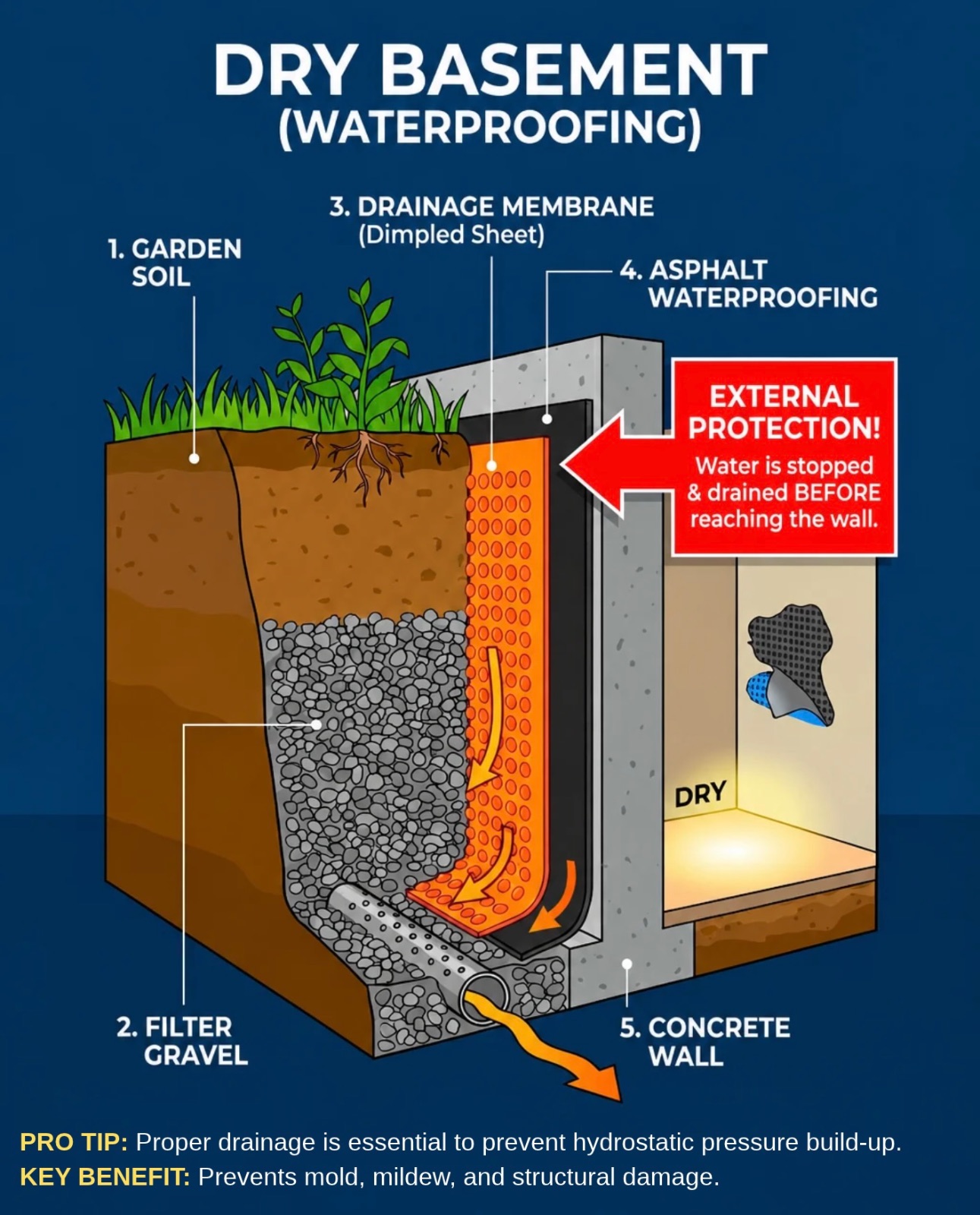
You can explain your concern without needing to identify the exact cause first. The request gives the independent contractor an initial picture of the problem to discuss with you.
We collect the service request and pass it to an independent local contractor. The contractor handles contact, property evaluation, estimates, and the work itself.
From water entering through a wall to a failing sump pump or a damp crawl space, we help route different types of basement and foundation requests to contractors who can evaluate them.
Our service requests cover Akron and nearby communities. Sharing your town and the conditions around your home helps establish whether the requested service is suitable for follow-up.
We encourage homeowners to describe when the water appears, where it collects, and whether the problem changes with the weather. These details can help make the initial conversation more useful.
Basement water problems often develop gradually. You may notice a musty odor before seeing any standing water, or a cardboard box stored against the wall may become damp after a storm. White, chalky deposits on masonry can indicate that moisture has moved through the material and left mineral residue behind. Paint that bubbles or peels, damp spots near the floor, and repeated condensation can also deserve attention. None of these signs proves a single cause, but they can help identify where further evaluation is needed.
Pay attention to when the symptoms appear. Water that arrives during heavy rain may point toward roof runoff, clogged or poorly directed downspouts, surface drainage, or water pressure around the foundation. Moisture that continues during dry weather may have a different source. A basement that smells musty throughout the year could have persistent dampness, a ventilation issue, or a hidden moisture source that is not immediately visible. Water entering at a wall joint may require a different approach from water flowing through a foundation crack.
Homes in Akron experience changing seasonal conditions, including periods of rain, snowmelt, and freezing temperatures. Water can accumulate around a foundation when the ground cannot drain quickly enough. Freeze-thaw cycles may also affect vulnerable masonry and existing cracks. These conditions make it useful to record the location of moisture and whether it follows specific weather events.
Before the contractor visits, take note of affected rooms, visible cracks, the height of any water marks, and whether the sump pump runs during wet weather. Photos taken safely from a dry location may also help explain the symptoms. Do not enter standing water if electrical equipment may be affected. Share these observations when submitting your request so the independent contractor has a clearer starting point for the assessment.
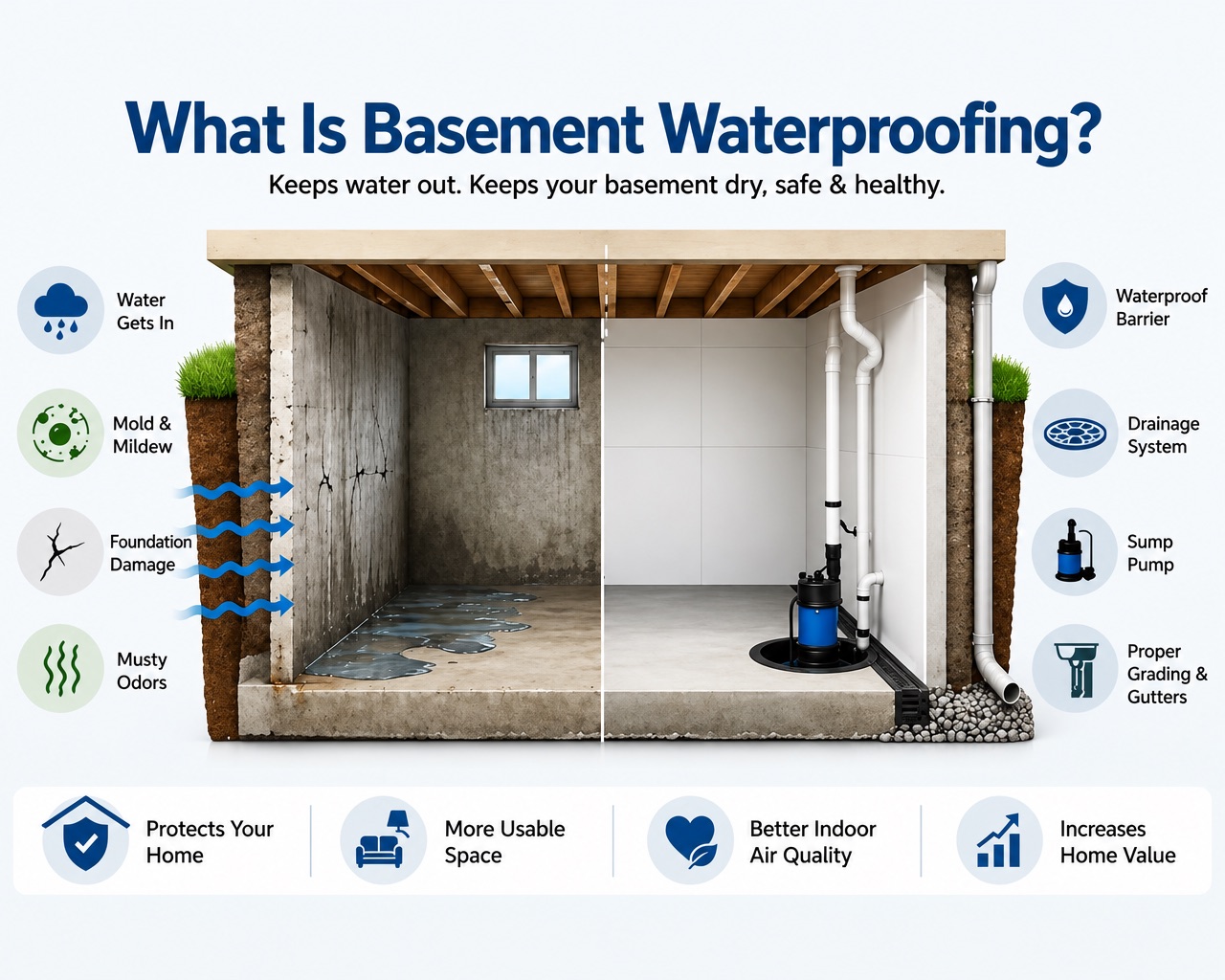
Effective waterproofing begins with identifying how moisture reaches the basement. A contractor may examine interior walls, the floor-to-wall joint, visible foundation cracks, drainage arrangements, the sump basin, and the ground immediately surrounding the home. The inspection may also consider gutters, downspouts, grading, nearby paved areas, and places where rainwater collects. The goal is to understand the likely source rather than cover up the first visible stain.
Some homes primarily need better management of rainwater outside the foundation. Extending downspouts, correcting local grading problems, or addressing a blocked drainage route may help reduce the amount of water reaching the basement. Other properties may need an interior drainage system that directs water toward a sump basin. Where water pressure or recurring seepage is involved, the contractor may recommend a broader waterproofing approach based on the home's construction and the pattern of water entry.
The proposed work should explain what the system is intended to accomplish. For example, a drainage system may collect water that reaches the foundation and move it toward a discharge point, while a crack repair may address a specific path of entry. These approaches solve different problems, so it is worth asking how each recommendation relates to the symptoms at your property. If more than one factor is contributing to the water, the contractor should explain how the proposed measures work together.
We pass your request to an independent local contractor, who contacts you to discuss the situation and arrange any appropriate assessment. The contractor provides the estimate and performs the agreed work. Before proceeding, ask what is included, which areas will be accessed, whether excavation or concrete cutting is involved, how water will be discharged, and what limitations apply. A clear explanation makes it easier to compare proposals based on the actual problem rather than choosing a repair simply because it sounds familiar.
There is no single scope of waterproofing work that fits every basement. The estimate depends on the source of the water, the size and layout of the affected area, access to the foundation, and the repair method appropriate for the building. A small, isolated entry point may call for a different approach from water affecting several walls or recurring seepage across a long section of the basement. The contractor needs to understand these conditions before explaining the proposed work.
The condition of the foundation is another consideration. Concrete block walls, poured concrete walls, older masonry, and previously repaired surfaces can behave differently. Existing cracks, loose mortar, damaged finishes, signs of movement, or previous waterproofing materials may affect how a repair should be prepared. If the visible problem is connected to drainage outside the house, the contractor may also need to consider access to the affected area, nearby landscaping, paved surfaces, and the path available for directing water away.
Mechanical equipment can influence the scope as well. A sump pump installation or replacement may involve the sump basin, discharge piping, electrical arrangements, and a check of how the system will operate during wet weather. A basement drainage project may require additional work to connect collection channels to the pump. If an existing system is present, the contractor may need to determine whether the problem comes from the pump, the drainage path, the discharge arrangement, or another source.
When reviewing an estimate, ask for a description of the problem being addressed, the work included, any exclusions, cleanup arrangements, and any maintenance or warranty terms that apply. If the contractor recommends several measures, ask which are essential to the identified problem and why. We do not set the contractor's estimate or perform the repair. Our role is to pass along your request so the contractor can evaluate the property and discuss the scope directly with you.
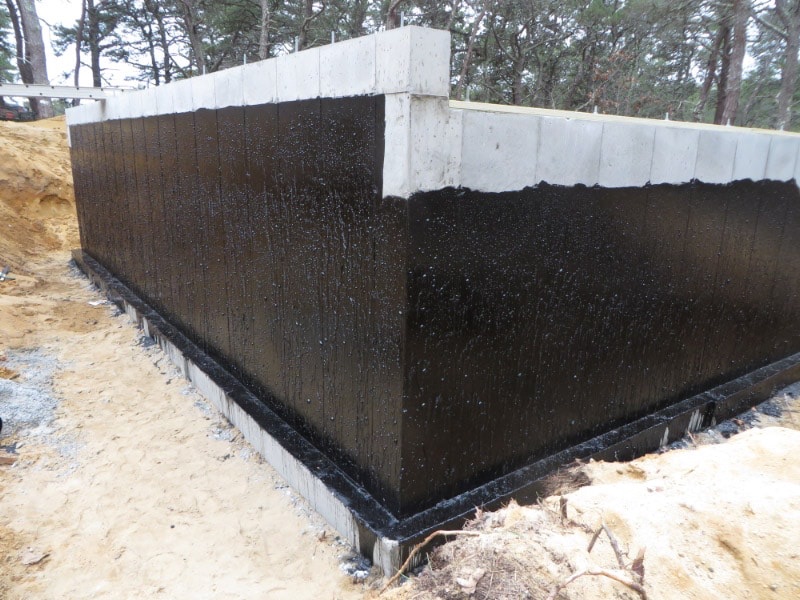
Akron's established neighborhoods include houses built across different periods, from older homes with masonry foundations to properties with more recent concrete construction. Construction age alone does not determine whether a basement will leak, but the foundation material, past repairs, surrounding soil, and current drainage conditions can all influence how moisture appears. A basement that has stayed dry for years may begin showing symptoms after exterior grading changes, a gutter becomes blocked, a drain is damaged, or a particularly wet period places additional pressure on the surrounding ground.
The area's changing seasons are relevant when evaluating water entry. Rainfall can saturate the soil around the foundation, while snowmelt can introduce additional moisture during periods when the ground remains cold. Winter freezing and thawing can affect cracks and exterior surfaces. In lower areas or near waterways, local ground conditions may differ from those on a higher, better-drained lot. The actual water source still needs to be assessed at the individual property rather than assumed from the neighborhood alone.
Akron homeowners can begin with simple observations around the house. Look for downspouts that empty beside the foundation, soil that slopes toward the building, standing water near basement windows, or sections of the yard that remain wet long after rain. Check whether gutters overflow during a storm and whether the sump pump appears to discharge water away from the foundation. Avoid making changes that could send water onto a neighboring property or damage buried utilities.
A contractor can consider these observations alongside the interior symptoms to determine the next step. When you submit your request, mention whether the problem started recently, whether it happens only during storms, and whether previous repairs have been attempted. That background helps establish a more productive discussion about the conditions affecting your home.
Choosing a waterproofing contractor involves more than finding someone who offers a familiar repair. The important question is whether the proposed work addresses the cause of the water and fits the construction of the house. Ask the contractor to explain where moisture is entering, what evidence supports that assessment, and how the recommended system is expected to manage it. If the source is uncertain, ask what additional inspection is needed before committing to a particular repair.
A written estimate should make the scope understandable. Look for details about the areas being treated, preparation, drainage components, pump equipment where applicable, restoration of disturbed surfaces, cleanup, and any work that is excluded. Ask whether permits or inspections may be required for the proposed work and who will handle those requirements. For projects involving excavation, electrical work, or structural repairs, clarify the responsibilities associated with each part of the job.
It is also reasonable to ask about the contractor's relevant experience, insurance, applicable licensing, product information, and written warranty terms. Requirements can depend on the type of work and the jurisdiction. Confirm the details directly rather than assuming that every contractor or repair method carries the same protections. If you receive more than one estimate, compare the proposed scope and the explanation of the water source instead of looking only at the final figure.
Our process starts with your request. We pass it to an independent local contractor, who contacts you, discusses the situation, evaluates the property as appropriate, and provides the estimate. You can ask questions before deciding whether to proceed. The contractor is responsible for the work and for explaining the terms of the agreement. Taking time to understand those details can help you choose a solution based on the needs of your basement and the expectations you have for the project.
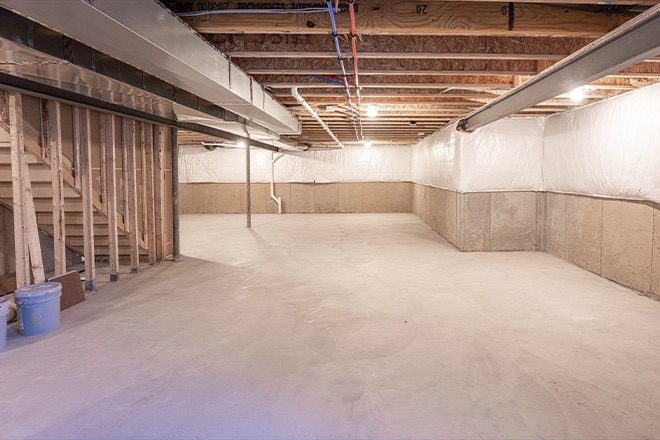
Basement Waterproofing Akron Ohio does not do the basement waterproofing work itself. When you call or send the form, we pass your request to an independent local contractor who covers your part of Akron. That contractor contacts you, gives you the estimate and does the work.
See what happens after you callHeavy rain can saturate the soil around a foundation and increase water pressure against basement walls and floor joints. Overflowing gutters, short downspouts, and poor surface grading may add to the problem. An independent contractor can evaluate the entry points and surrounding drainage to identify an appropriate response.
It may help when the odor is caused by persistent moisture, but the source should be identified first. Damp materials, hidden leaks, and poor ventilation can all contribute to musty smells. The contractor can assess the water-related conditions and explain whether waterproofing or additional remediation may be needed.
It is sensible to investigate recurring dampness or water entry before installing flooring, insulation, or finished walls. Concealed moisture can damage new materials and create difficult-to-detect problems. Ask the contractor to evaluate existing symptoms and explain what should be addressed before finishing work begins.
No. Some problems are related to exterior runoff, damaged downspouts, isolated cracks, or other conditions that may need a different solution. The appropriate approach depends on where the water comes from and how it reaches the basement.
Note where water appears, when it occurs, and whether rainfall or snowmelt affects it. Clear access to affected areas when safe, and take photographs from a dry location if helpful. Do not touch electrical equipment or enter standing water where electrical hazards may exist.
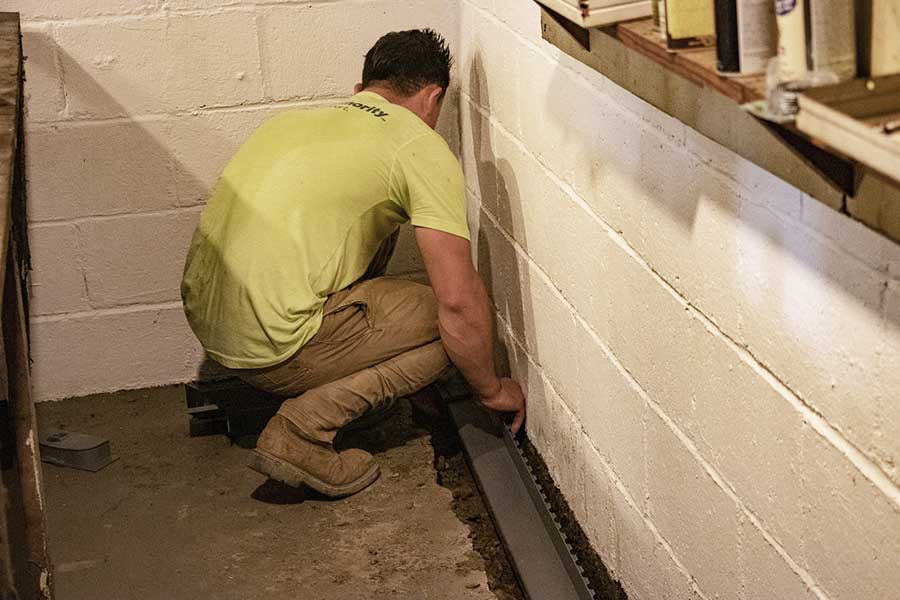
Start by describing the water problem and where you live. We will pass your request to an independent local contractor for follow-up.
Free — no obligations