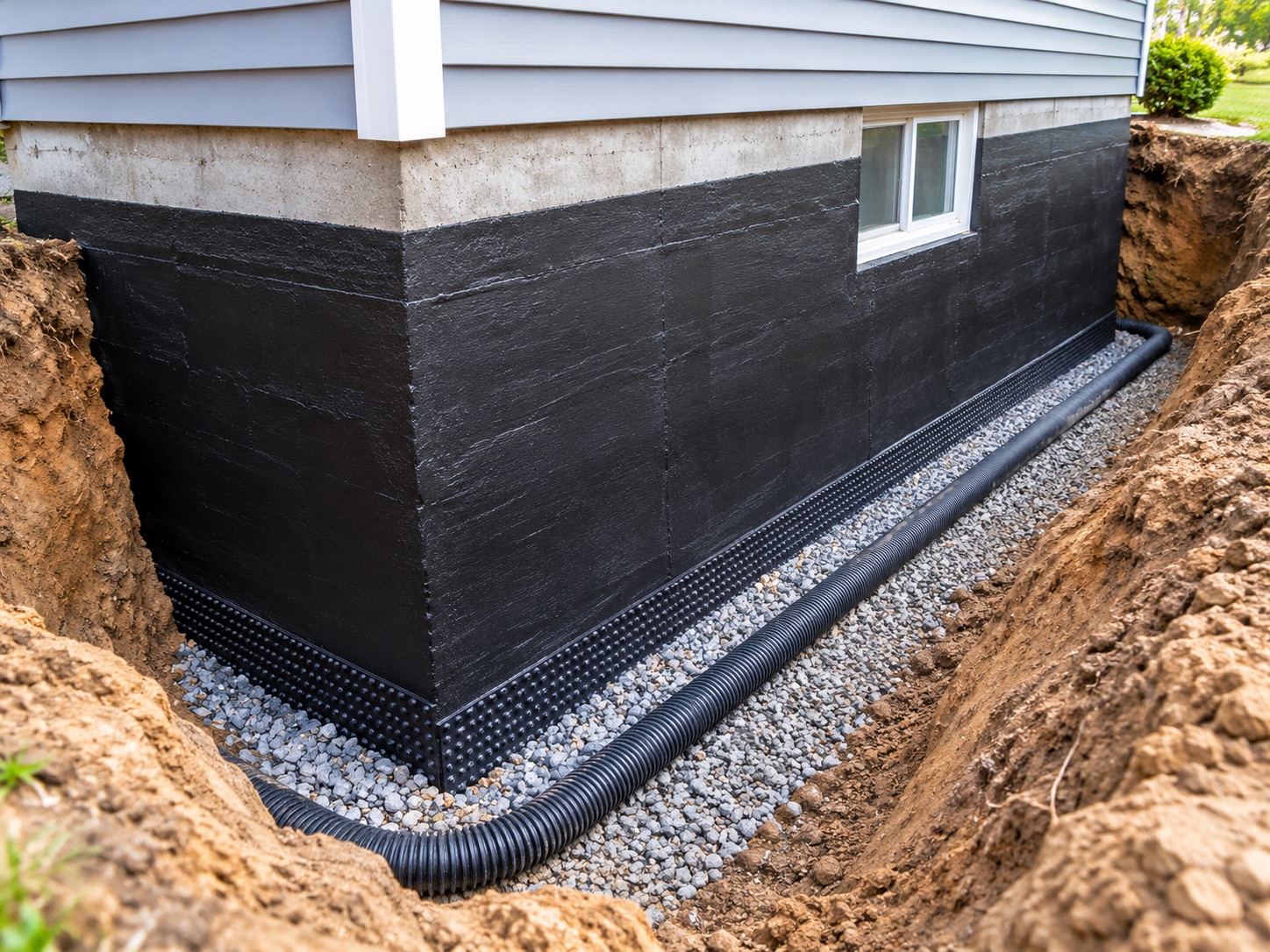
Basement Water Damage
Basement Water Damage Repair and Recovery
Tell us where water entered and what was affected so an independent local contractor can contact you. Get a Free Estimate
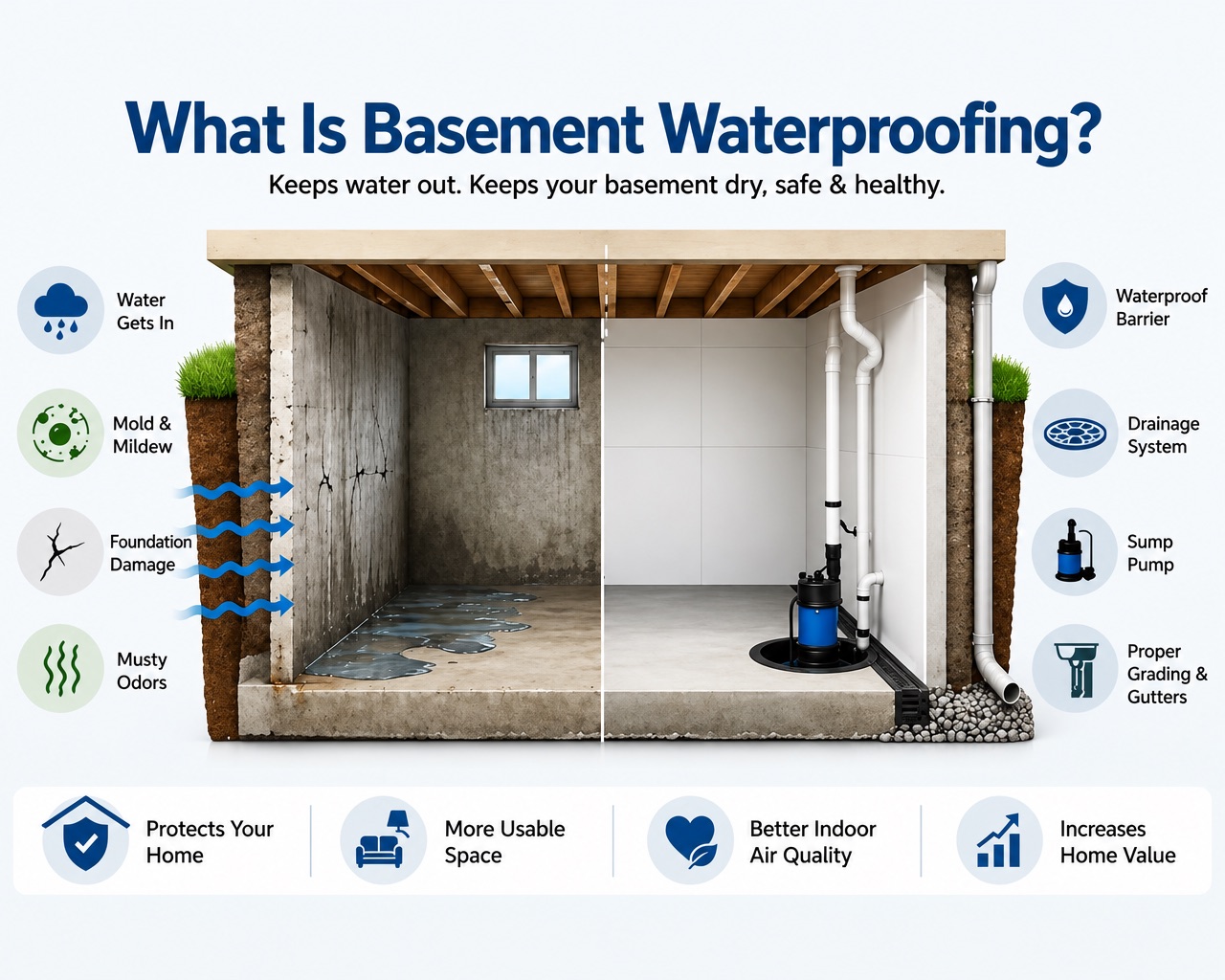
Water in a basement can affect flooring, drywall, insulation, stored belongings, electrical equipment, and the materials around the foundation. Even when visible water is removed, damp materials may remain hidden behind finished surfaces or beneath flooring. Repairing the damage without understanding the source can leave the property vulnerable to another incident.
We collect requests from homeowners dealing with basement water damage and pass them to independent local contractors. The contractor contacts you to discuss the situation, assess the work required, provide an estimate, and complete the agreed services. The necessary response depends on the amount and source of water, how long materials have been wet, and whether restoration, waterproofing, or additional specialist services are needed.
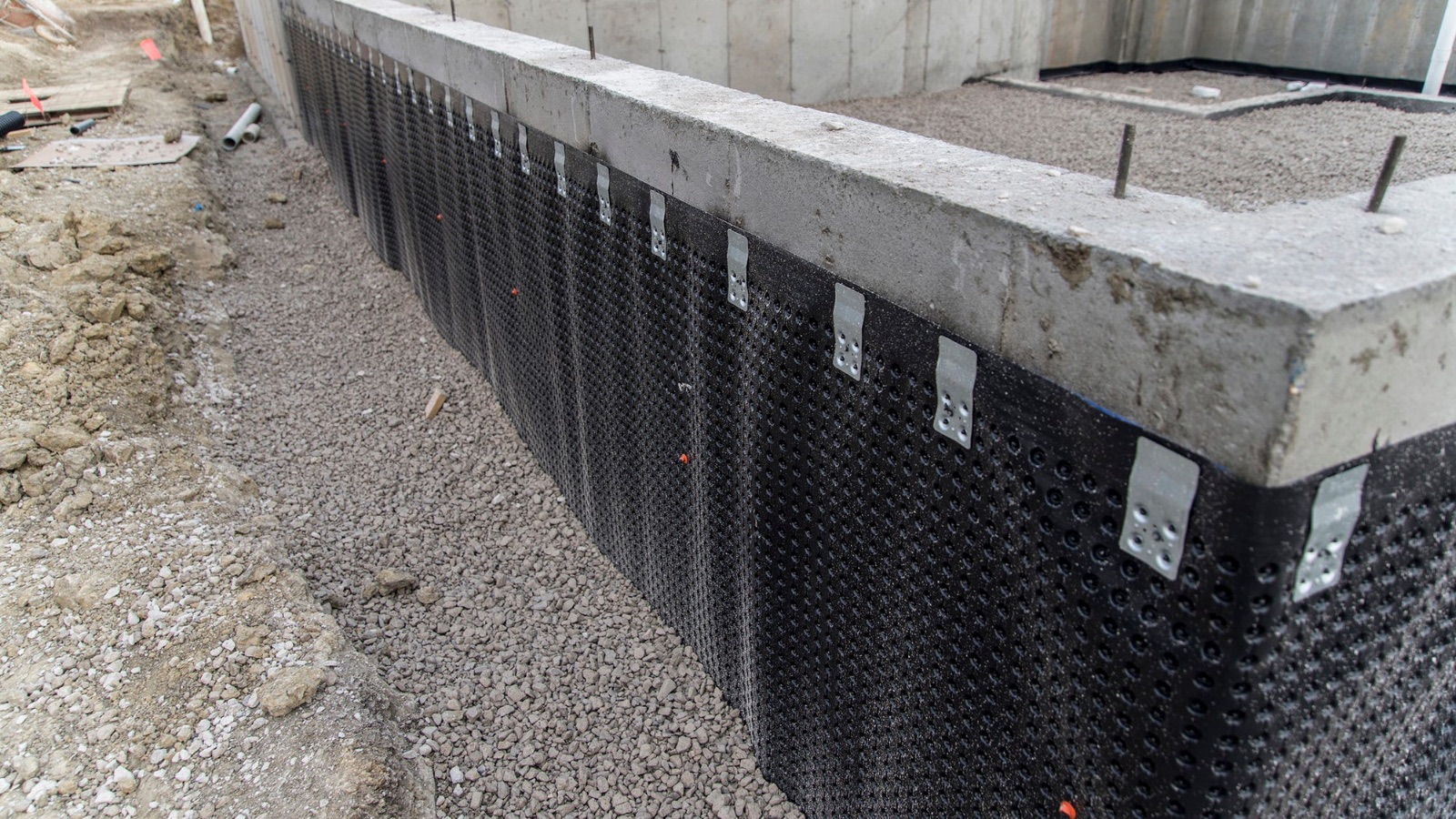
Water damage work can involve several stages. The contractor should explain which are included in the proposed service and whether any specialist assessment is needed.
The affected areas and likely source of water need to be identified. This may include checking visible building materials, the floor and wall junctions, nearby plumbing, and the drainage conditions around the property.
Standing water and retained moisture may require appropriate extraction and drying methods. The necessary equipment and drying period depend on the amount of water, the materials involved, and the conditions of the space.
Materials that cannot be adequately dried or restored may need removal. The contractor should explain what will be removed and whether additional assessment is needed before concealed areas are opened.
Once the area is appropriately dried and the water source is addressed, restoration may involve replacing affected finishes or repairing damaged surfaces. The scope depends on the extent of the damage and the work included in the agreement.
Describe the water incident and affected areas, and we will pass the request to an independent local contractor for discussion.
The contractor assesses the property, prepares the estimate, and performs the agreed work. We handle the initial referral.
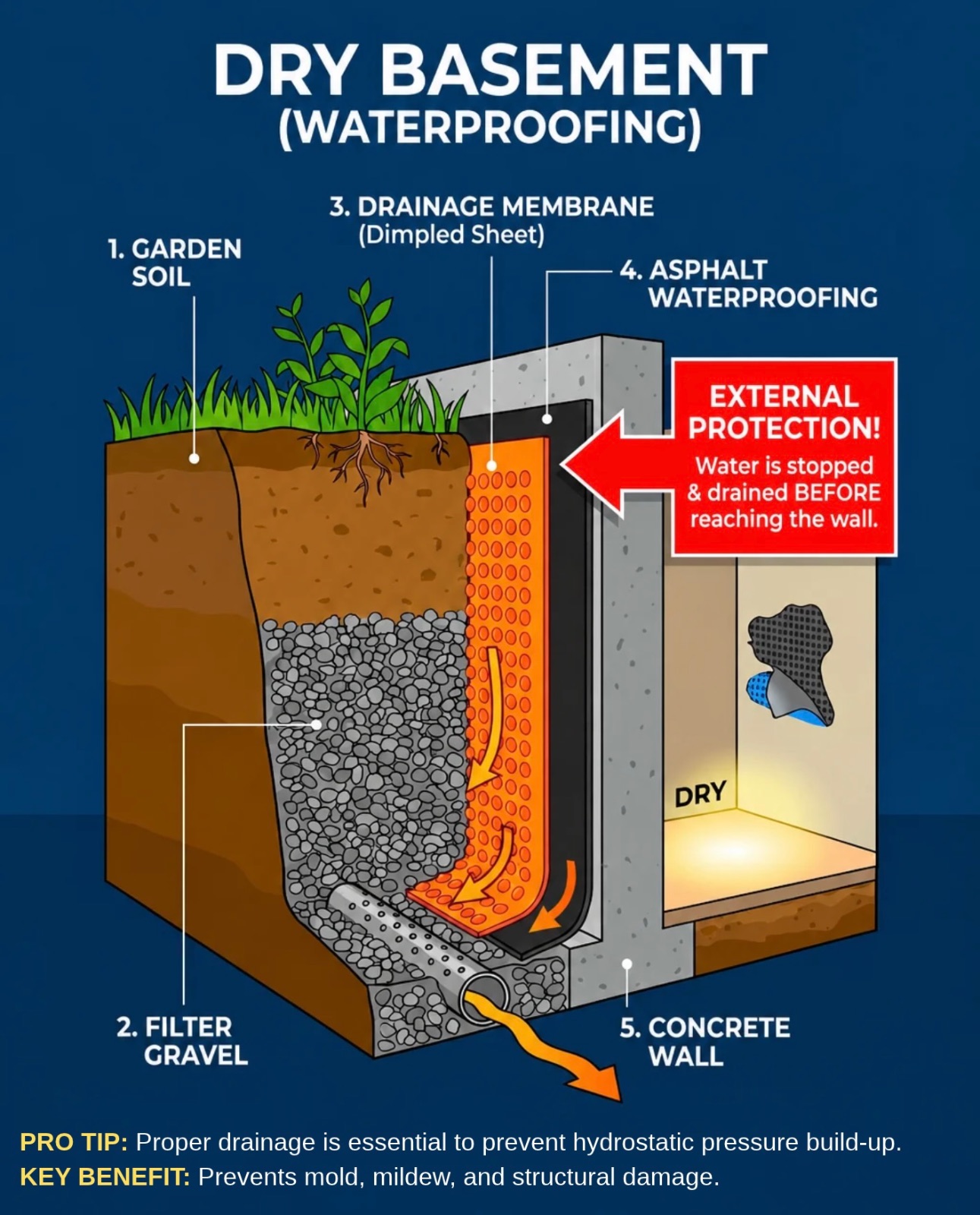
A restoration proposal should consider why water entered and whether the underlying issue needs separate attention to reduce the risk of recurrence.
Describe the incident and the areas affected. We will pass your request to an independent local contractor for follow-up.
Free — no obligations
Explain whether water came from rainfall, a plumbing leak, a sump pump problem, or another suspected source.
We pass the details to an independent local contractor for follow-up.
The contractor determines what areas and materials require attention and whether specialist services may be needed.
The contractor explains the proposed removal, drying, repair, and restoration work as applicable.
If you accept the estimate, the contractor completes the work covered by the agreement.
Keep people away from standing water if electrical equipment or wiring may be affected, and do not enter an unsafe area. If safe, stop the source of water and contact the appropriate emergency or utility service when necessary. A contractor can discuss assessment and restoration once the area can be approached safely.
That depends on how much water entered, how long the material remained wet, and its condition. Some materials can be dried appropriately, while others may need removal. The contractor should assess the affected assembly rather than assume every wet surface can be restored.
The source of the water should be identified and addressed as part of the recovery plan. Replacing finishes before controlling recurring water entry can lead to repeated damage. Ask the contractor how the proposed restoration relates to preventing another incident.