Crawl Space Moisture Control
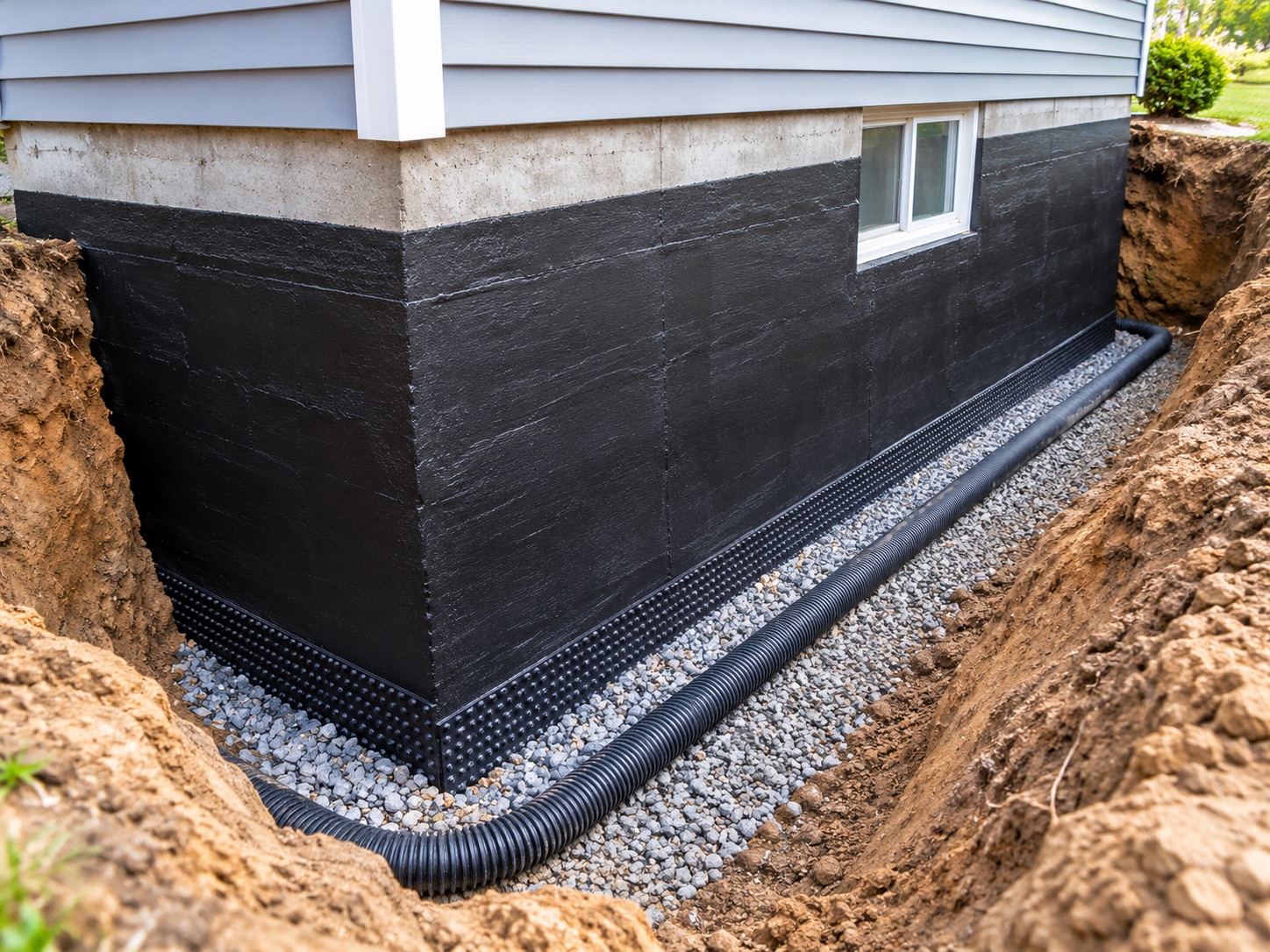
Crawl Space Waterproofing and Moisture Management
Describe the dampness or water beneath your home so an independent local contractor can follow up. Get a Free Estimate
A crawl space can remain damp without obvious standing water in the rooms above it. Warning signs may include a musty odor, wet soil, visible condensation, damp insulation, or moisture on timber and masonry. In some homes, rainwater enters through vulnerable areas; in others, ground moisture, plumbing leaks, or poor ventilation contributes to the conditions.
We collect crawl space waterproofing requests and pass them to independent local contractors. The contractor contacts you, assesses the reported conditions, provides an estimate, and completes the agreed work. The appropriate solution depends on the crawl space design, the source of moisture, access, and whether drainage, ground covering, humidity control, or repairs to existing components are needed.
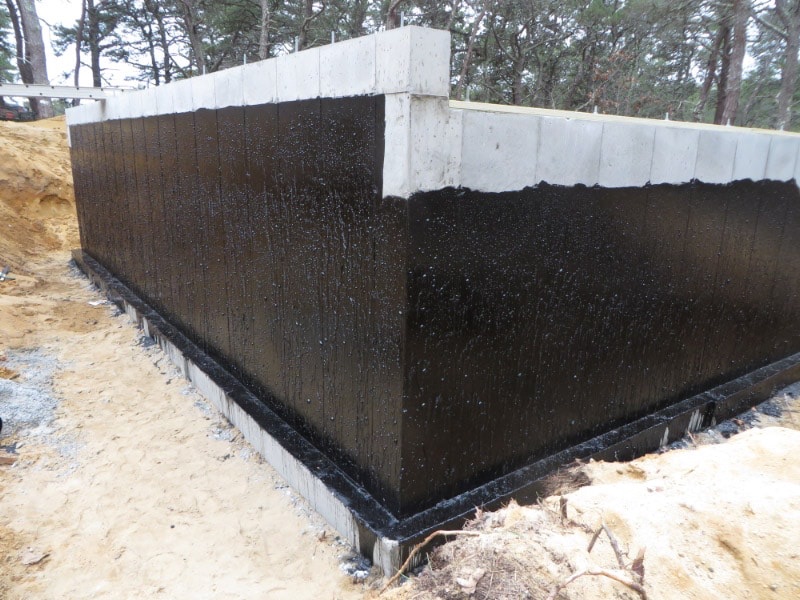
A crawl space assessment should consider both liquid water and moisture in the air or ground. The contractor can explain which measures suit the building and whether additional repairs are necessary.
Standing water may require investigation of exterior runoff, low areas, leaking plumbing, or groundwater conditions. The contractor should identify the source and explain how collected water will be managed.
A suitable ground vapor barrier can help reduce moisture moving from exposed soil into the crawl space. Preparation, coverage, seams, and how the barrier fits around existing components affect the installation.
Persistent humidity may require a review of ventilation, air leakage, insulation, or moisture-control equipment. The appropriate approach depends on the crawl space design and the local building conditions.
Damp insulation and affected building materials may need assessment or replacement after the moisture source is controlled. The contractor should explain whether the proposed work includes material removal, drying, and restoration.
Tell us about odors, damp soil, standing water, or visible material damage, and we will pass the request to an independent local contractor.
The contractor evaluates drainage, ground moisture, and the crawl space's design before proposing work.
The contractor explains the installation, access needs, and any restoration or maintenance responsibilities included in the agreement.
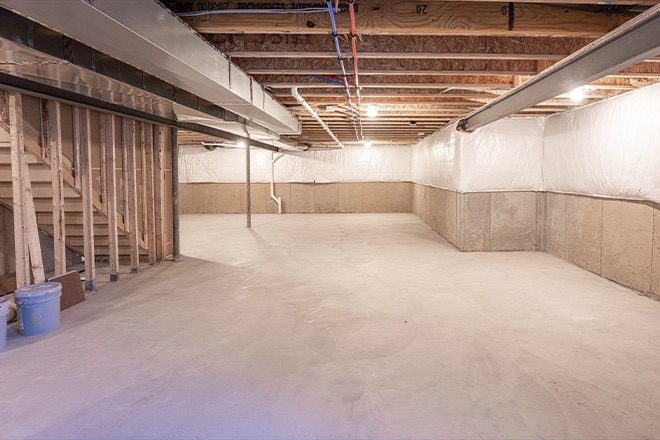
Describe what you have noticed beneath your home. We will pass your crawl space request to an independent local contractor.
Free — no obligations
Explain whether you have seen standing water, damp soil, odors, condensation, or damaged insulation.
We pass the information to an independent local contractor for follow-up.
The contractor reviews moisture sources, drainage, access, and the condition of visible materials.
The contractor explains the recommended combination of drainage, ground covering, humidity control, or repairs.
Check the work included, restoration arrangements, and applicable terms before agreeing to proceed.
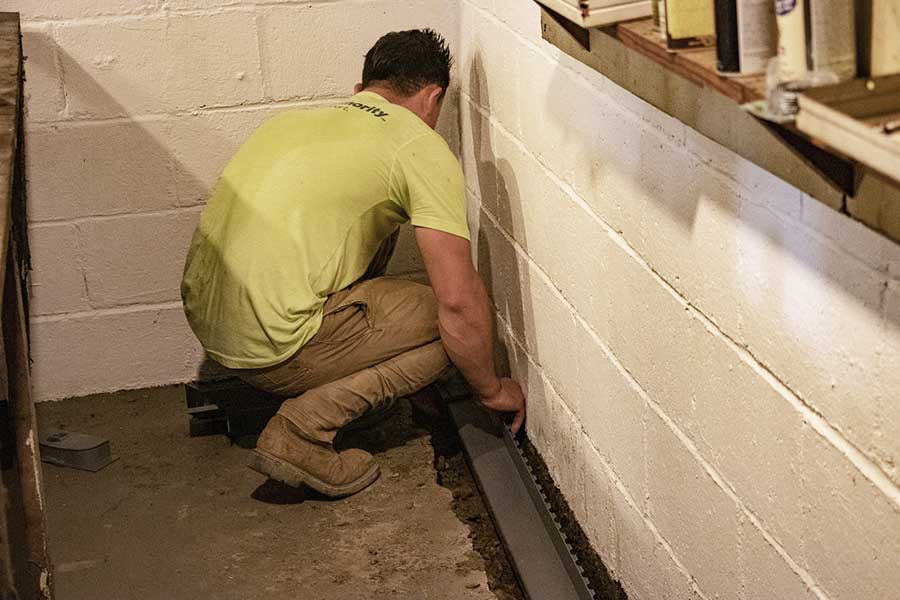
Moisture and damp materials beneath a home can contribute to persistent odors, although other sources may also be responsible. A crawl space assessment can help determine whether ground moisture, water entry, or affected materials need attention.
A ground vapor barrier can reduce moisture from exposed soil, but it may not solve standing water, plumbing leaks, or excessive humidity by itself. The contractor should assess the conditions and explain whether drainage or additional measures are required.
Wet, contaminated, or deteriorated insulation may require removal or replacement, depending on its condition. The source of moisture should also be addressed so replacement materials are not exposed to the same problem again.