Foundation Condition Assessment
Foundation Repair for Cracks and Structural Movement
Describe visible foundation changes so an independent local contractor can discuss an appropriate evaluation. Get a Free Estimate
Foundation concerns can appear as cracks in masonry, walls that seem to bow, uneven floors, doors that no longer close properly, or gaps around windows and trim. These symptoms can have different causes, and one sign alone does not establish whether a foundation has a structural problem. Soil conditions, water management, construction details, and changes over time all matter.
We pass foundation repair requests to independent local contractors. The contractor contacts you, reviews the reported symptoms, determines what assessment is appropriate, and provides an estimate for proposed work. Structural repairs should be based on the actual condition of the building. If there is significant movement, rapid change, or visible instability, seek prompt professional evaluation rather than relying on a cosmetic patch.
A sound repair plan begins with understanding the pattern of movement or damage. The contractor may recommend further specialist assessment when the cause or structural significance is uncertain.
Cracks can result from several conditions, including material shrinkage, settlement, water pressure, or structural movement. Their direction, width, location, and change over time help determine what investigation is appropriate.
A wall that curves inward or appears to have shifted can indicate pressure or movement that requires careful evaluation. The contractor should explain the observed condition and whether engineering input is appropriate before selecting a repair method.
Uneven floors, recurring cracks, and changes around doors or windows may be associated with settlement, but other explanations are possible. A suitable assessment considers multiple signs and the property's construction rather than relying on one symptom.
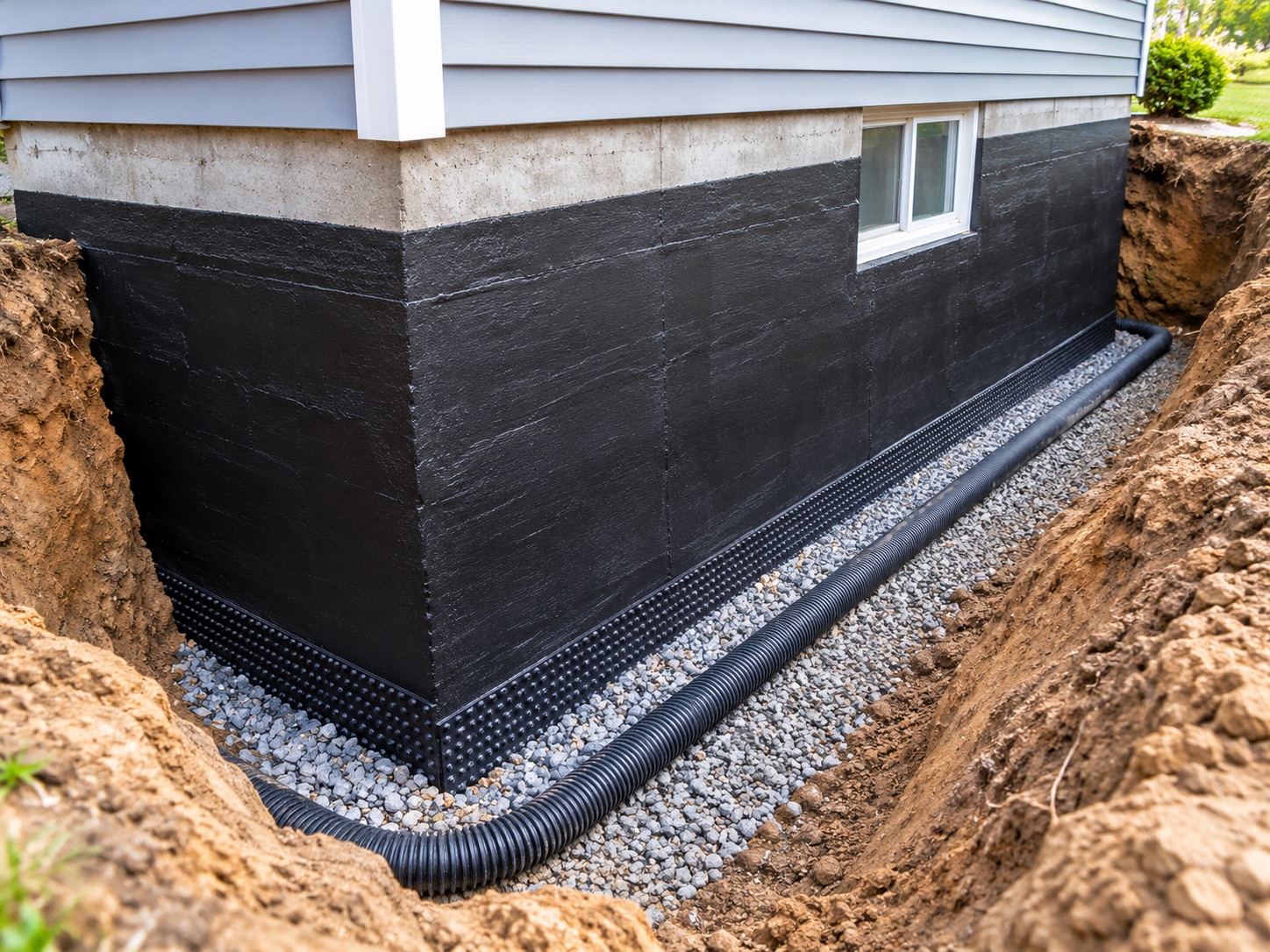
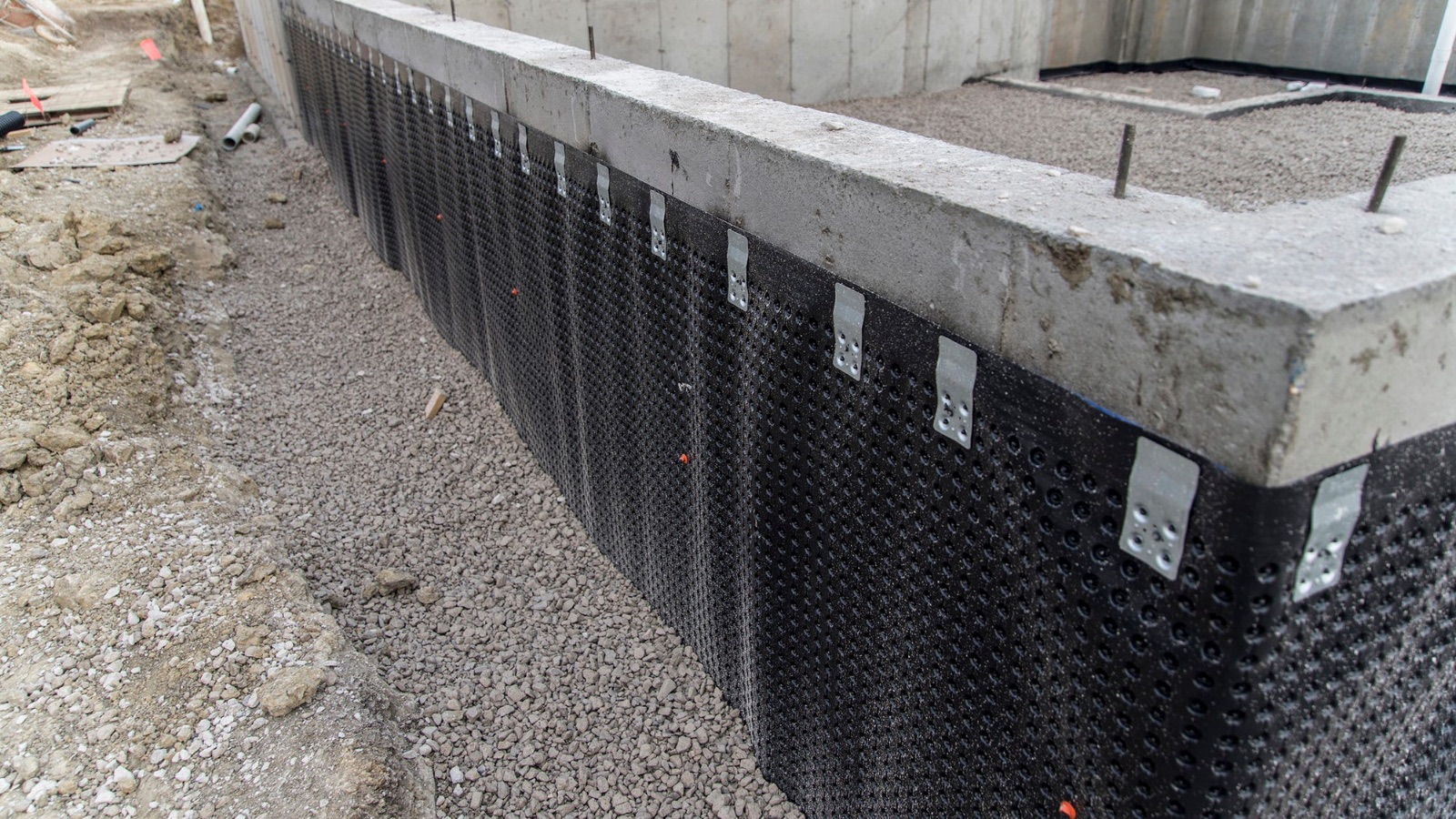
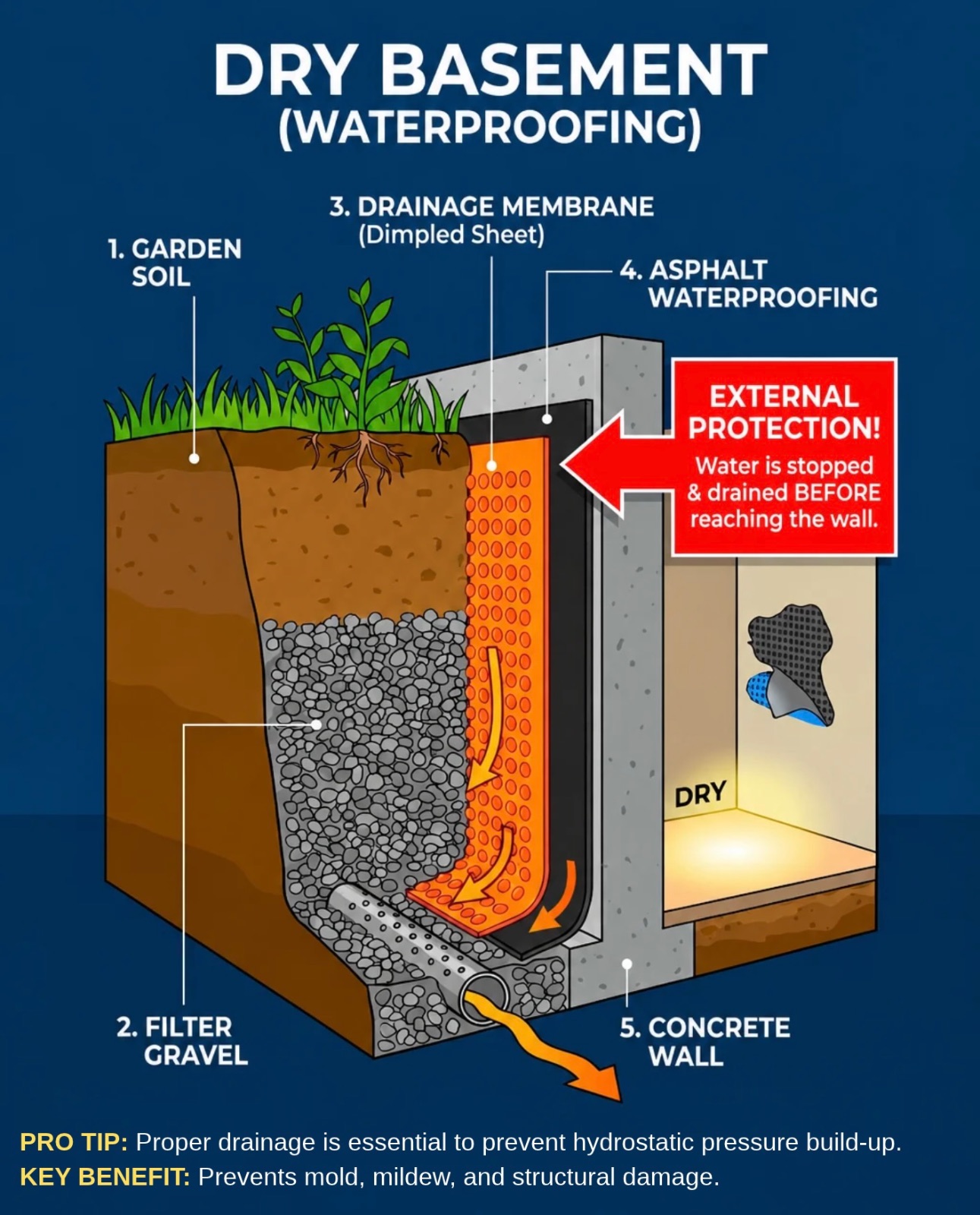
Persistent water around a foundation can contribute to deterioration or place pressure on below-ground walls. A repair plan may need to consider drainage and moisture management alongside any structural work.
Share the visible changes and when they began. We pass the request to an independent local contractor for discussion.
The contractor determines whether the concern involves water entry, masonry damage, movement, or another condition requiring attention.
The contractor provides the estimate and performs the agreed work. We do not carry out foundation repairs ourselves.
Tell us about the cracks, movement, or other changes you have observed. We will pass your request to an independent local contractor.
Free — no obligations
Explain where cracks or uneven areas appear and whether they have widened, shifted, or developed recently.
Your information is forwarded to an independent local contractor for follow-up.
The contractor reviews the symptoms and determines whether additional specialist evaluation is needed.
Ask how the proposed repair addresses the suspected cause and what evidence supports the recommendation.
Review the scope, exclusions, responsibilities, and applicable terms before approving the work.

A rapidly widening crack, significant wall displacement, sudden floor changes, or other signs of instability deserve prompt professional attention. If the building appears unsafe, keep clear of the affected area and contact an appropriate emergency or structural professional.
Changes in the building's structure can affect door and window alignment, but humidity, worn hardware, and other conditions can cause similar symptoms. A contractor should consider the pattern of changes and other evidence before attributing them to foundation movement.
Water management may help address one contributing condition, but it does not automatically correct structural movement. A wall that is bowing or displaced needs an appropriate assessment to determine whether structural repairs are required.