Basement Pump Systems
Sump Pump Installation for Basement Water Control
Tell us about your drainage needs or existing pump, and we will pass your request to an independent contractor. Get a Free Estimate
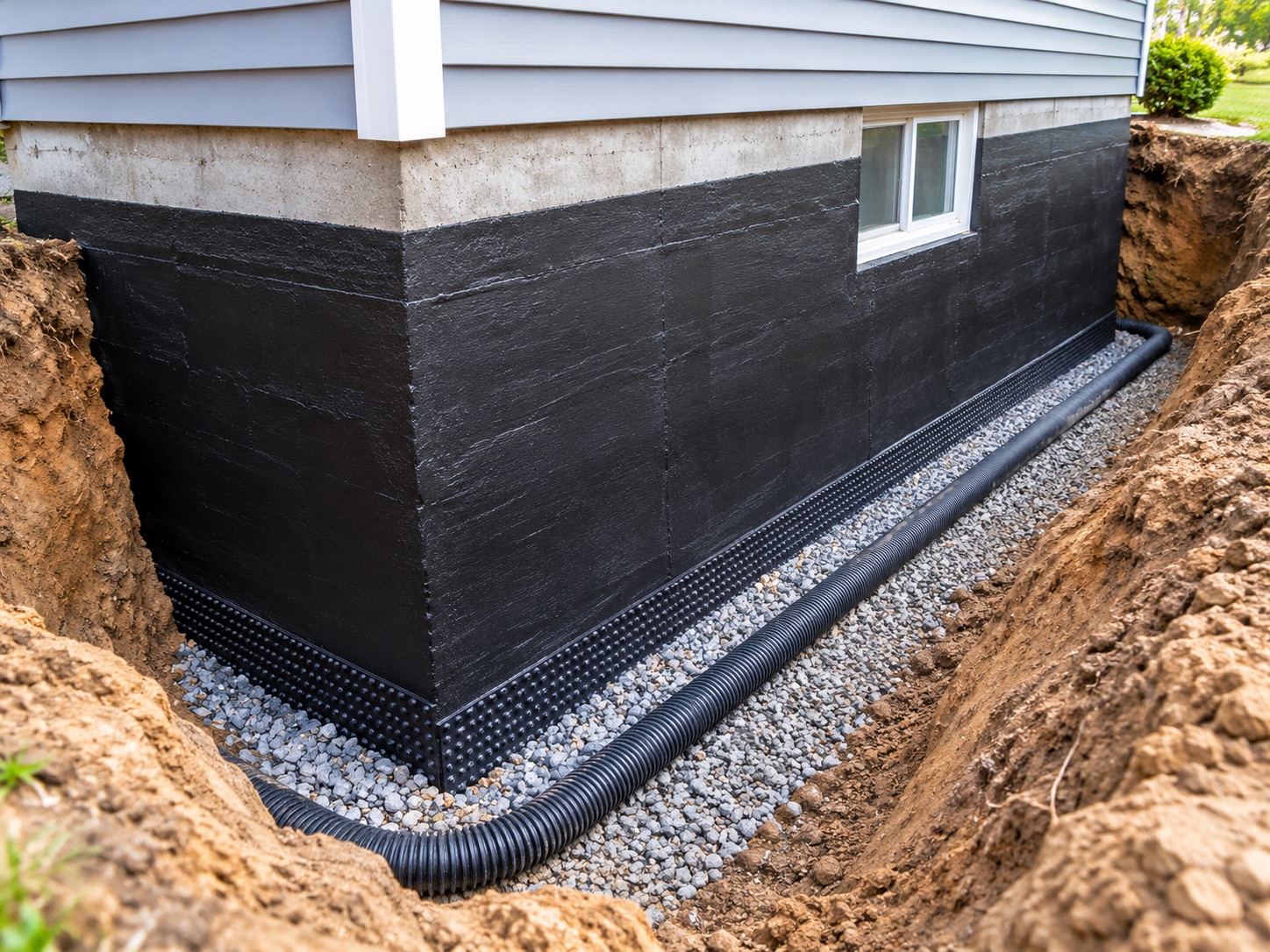
A sump pump helps remove collected water from a designated basin and discharge it away from the basement. It may be used with an interior drainage system or in a property where groundwater collects at a low point. The pump itself is only one component: the basin, incoming drainage, discharge pipe, power supply, and discharge location all affect how the system functions.
We pass sump pump installation requests to independent local contractors. The contractor contacts you, reviews the existing setup or proposed location, provides an estimate, and carries out the agreed installation. If a pump is already present but the basement continues to get wet, the assessment should consider whether the problem lies with the pump, the drainage path, the discharge arrangement, or a separate source of water.
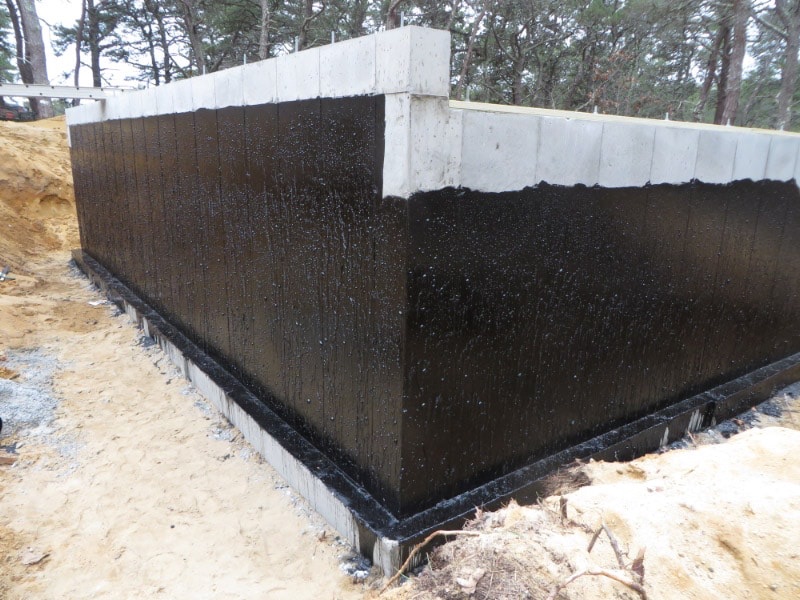
The contractor should explain how the proposed equipment fits the property's drainage conditions and what is required for reliable operation.
The basin must suit the intended collection point and the layout of the basement. The contractor can assess whether existing drainage can be connected or whether additional work is required to collect water effectively.
Pump capacity and design should match the expected water conditions and discharge requirements. Ask how the selected equipment suits the application and what routine checks or maintenance it needs.
Collected water needs a suitable route away from the foundation. The contractor should explain where the discharge will go and consider applicable local requirements, freezing conditions, and the risk of water returning toward the house.
A power interruption or pump failure can affect basement protection. Depending on the property's needs, the contractor may discuss backup power, a secondary pump, a high-water alarm, or other monitoring options.
You can describe a planned installation, a failed pump, or recurring water despite having a pump already in place.
The contractor explains the pump, basin, discharge arrangement, and optional backup measures suitable for the property.
The estimate should distinguish equipment from installation work and identify any additional drainage or electrical work that is included or excluded.
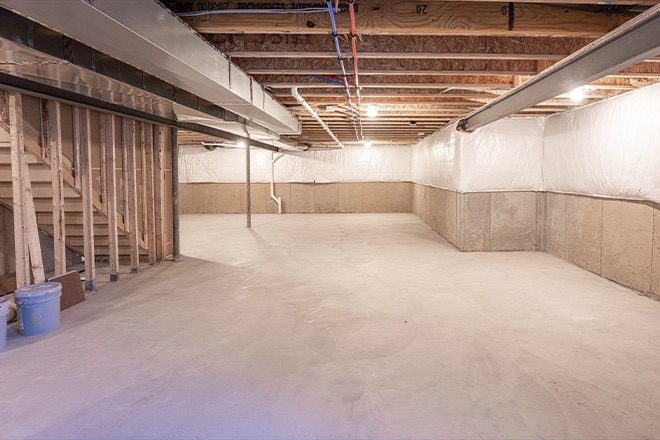
Tell us whether you need a new sump pump or help with an existing system. We will pass the request to an independent local contractor.
Free — no obligations
Tell us whether you need a new installation, a replacement, or an assessment of an existing pump.
We pass your information to an independent local contractor.
The contractor assesses the proposed basin location, water collection needs, and discharge route.
The contractor explains the recommended pump, installation scope, and any optional backup features.
If you accept the estimate, the contractor arranges the installation under the agreed terms.
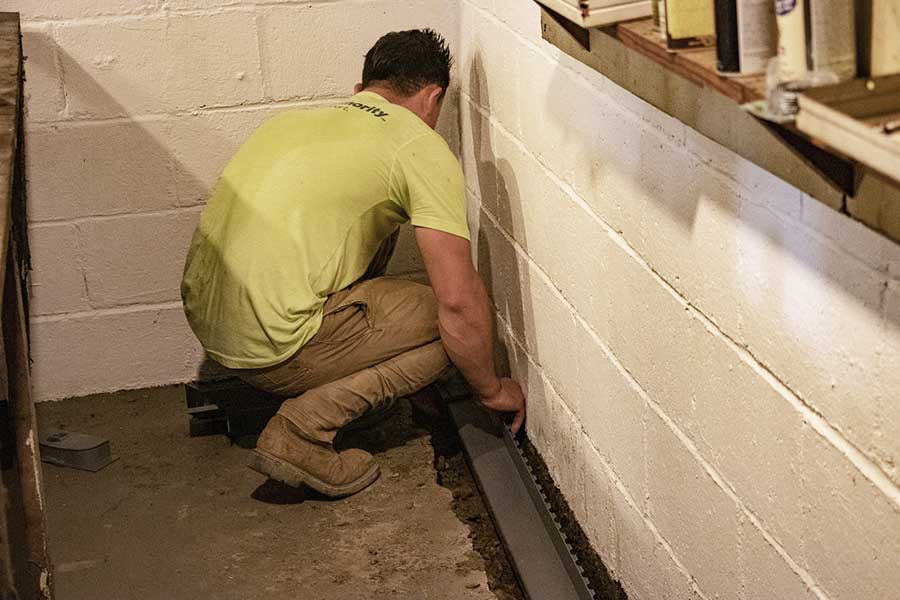
The frequency depends on groundwater conditions, rainfall, the drainage system, and the pump's design. Frequent operation or unusually long cycles can warrant a check, particularly if the basement is still becoming wet.
A backup may be useful where flooding risk remains during a power outage. The appropriate option depends on the pump, expected water conditions, and the length of backup operation required. Ask the contractor to explain the available options and their maintenance needs.
The discharge should direct water away from the foundation through a suitable route that complies with applicable requirements. The contractor should consider the lot layout, neighboring properties, drainage restrictions, and the possibility of water freezing or flowing back toward the house.